


If you are asking what is the best way to defrost a freezer UK, you are not alone. Ice build-up inside freezers is a common household issue across the UK, especially in older or manual-defrost appliances. Over time, excess ice reduces freezer efficiency, increases energy consumption, and limits storage space. Defrosting your freezer correctly is essential for maintaining performance, hygiene, and longevity.
This detailed guide explains the safest, most effective, and recommended method to defrost a freezer in the UK, covering preparation, step-by-step instructions, common mistakes, and maintenance tips.
1. Why Defrosting Your Freezer Is Important
Understanding what is the best way to defrost a freezer UK starts with knowing why defrosting matters. Ice build-up forces your freezer to work harder, which leads to higher electricity bills and uneven cooling. Thick layers of ice also restrict airflow, causing food to freeze inconsistently or spoil faster.
In the UK climate, where humidity levels can fluctuate, frost can accumulate quickly, particularly if the freezer door is opened frequently. Regular defrosting helps maintain optimal temperature control and keeps your appliance running efficiently.
2. How Often Should You Defrost a Freezer in the UK?
Most experts recommend defrosting a manual freezer when ice reaches around 0.5 cm in thickness. For UK households, this usually means defrosting every three to six months, depending on usage and freezer type.
Ignoring ice build-up for too long can damage internal components and reduce the freezer’s lifespan. Regular maintenance ensures better performance and food safety.
3. What Is the Best Way to Defrost a Freezer UK?
The best way to defrost a freezer in the UK is a natural, unplugged defrosting method, which is both safe and effective. This approach avoids damage to internal components and reduces safety risks.
Step 1: Switch Off and Unplug the Freezer
Always begin by turning off and unplugging the freezer from the mains. This ensures safety and prevents electrical hazards. Leaving the freezer plugged in during defrosting can cause internal damage and pose a serious risk.
Step 2: Remove All Food and Store It Safely
Take all food out of the freezer and store it in insulated cooler bags or another freezer if available. In the UK, especially during warmer months, it is important to keep frozen items cool to prevent thawing and spoilage.
Group food together tightly, as this helps retain cold temperatures for longer.
Step 3: Protect the Floor and Surrounding Area
Place towels, absorbent cloths, or trays around and beneath the freezer. As the ice melts, water will drain out, and proper preparation prevents damage to kitchen flooring.
This step is particularly important for integrated or under-counter freezers common in UK homes.
Step 4: Allow Ice to Melt Naturally
The safest and best way to defrost a freezer UK is to let the ice melt naturally at room temperature. Leave the freezer door open and allow the frost to soften and fall away gradually.
Avoid using sharp objects to remove ice, as this can puncture cooling coils and permanently damage the freezer.
Step 5: Speed Up the Process Safely (Optional)
If you need to speed up defrosting, place a bowl of warm (not boiling) water inside the freezer and close the door for a short time. This creates steam that helps loosen ice safely.
Never use hairdryers, heaters, or boiling water directly, as these methods are unsafe and not recommended.
4. Cleaning the Freezer After Defrosting
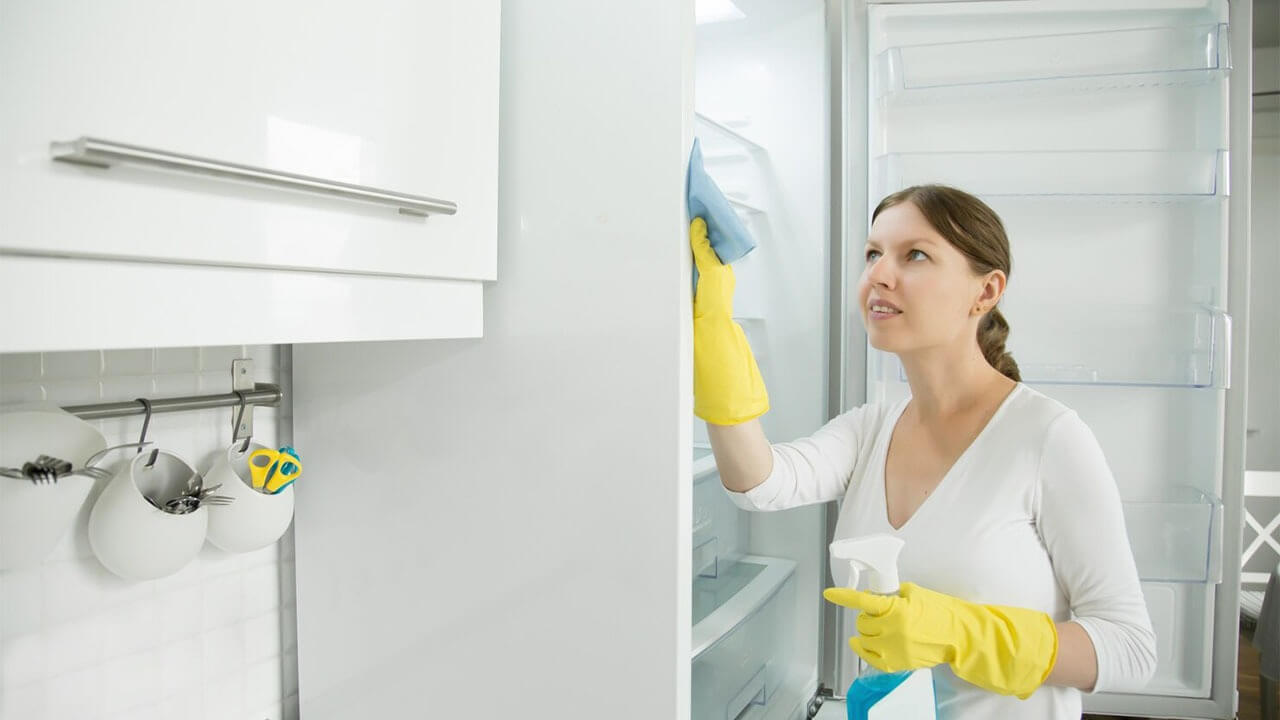
Once all ice has melted, clean the freezer thoroughly before switching it back on. Use a mild solution of warm water and bicarbonate of soda, which is widely recommended in UK households.
This removes odours, kills bacteria, and leaves the freezer fresh and hygienic. Dry all surfaces completely to prevent immediate ice formation.
Also, learn more about the Tips for Buying a Used Refrigerator Near You
5. Restarting the Freezer Correctly
After cleaning, plug the freezer back in and allow it to reach the correct temperature before returning food. This usually takes between one and two hours.
Returning food too early can lead to partial thawing and refreezing, which affects food quality and safety.
6. Common Mistakes to Avoid When Defrosting a Freezer
When learning what is the best way to defrost a freezer UK, it is equally important to know what not to do.
Avoid:
- Using knives or sharp tools to chip ice
- Pouring boiling water directly onto ice
- Using electrical heating devices
- Defrosting without unplugging the freezer
These mistakes can cause serious damage or safety hazards.
7. How to Prevent Ice Build-Up in the Future
Reducing ice formation helps minimise how often you need to defrost.
Helpful tips
- Do not overload the freezer
- Ensure the door seal is tight and undamaged
- Avoid leaving the door open for long periods
- Allow hot food to cool before freezing
These simple habits significantly reduce frost build-up.
8. Manual vs Frost-Free Freezers in the UK
Manual freezers require regular defrosting, while frost-free models use technology to prevent ice build-up automatically. However, frost-free freezers are more expensive and consume slightly more energy.
If you use a manual freezer, understanding the best defrosting method is essential for maintenance and efficiency.
9. Energy Efficiency Benefits of Defrosting
Regular defrosting improves energy efficiency by allowing the freezer to operate without obstruction. A frost-free interior uses less electricity, lowers household energy bills, and supports environmentally responsible living.
In the UK, where energy costs continue to rise, proper freezer maintenance can make a noticeable difference.
Conclusion
If you are wondering what is the best way to defrost a freezer in the UK, the answer lies in a safe, natural, and methodical approach. Unplugging the freezer, allowing ice to melt naturally, cleaning thoroughly, and restarting correctly ensures optimal performance and safety.
By following this guide, you can extend your freezer’s lifespan, improve energy efficiency, and keep your food stored safely. Regular defrosting is a simple but essential task that benefits every UK household.