



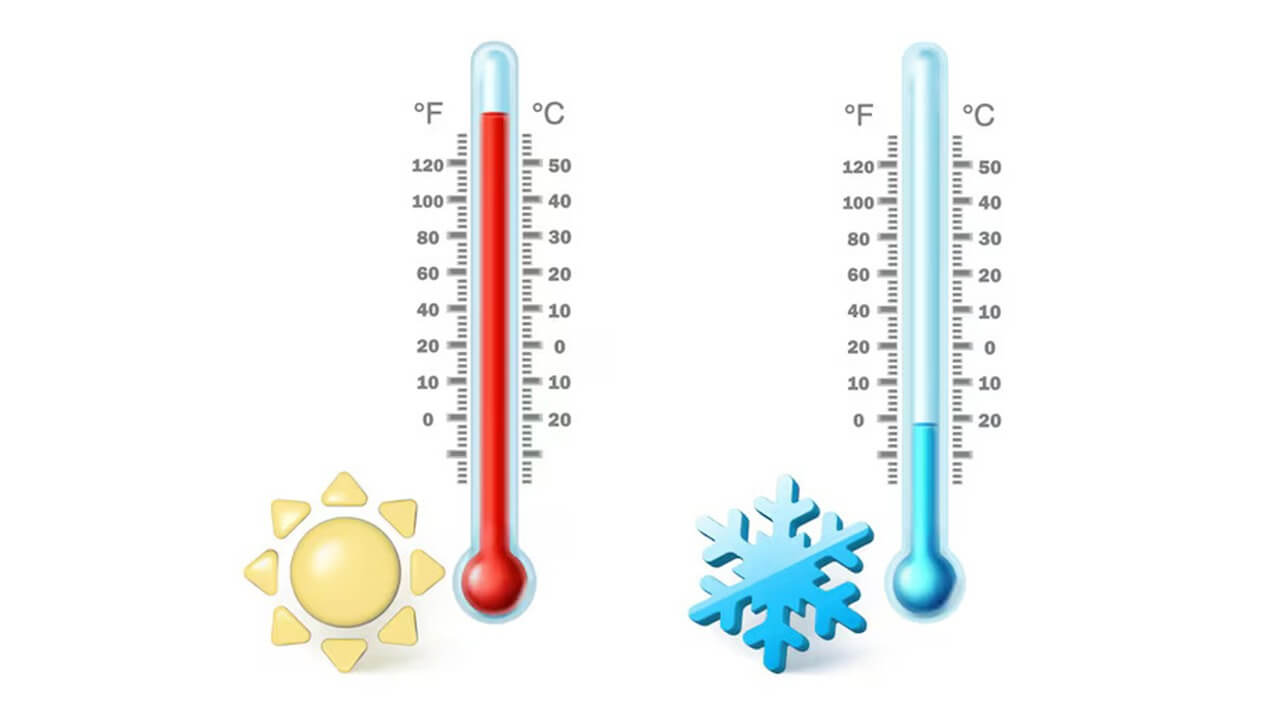
Understanding what temperature should a fridge be is essential for every UK household, not only to keep food fresh for longer but also to protect your family from foodborne illnesses and unnecessary waste. Many people assume their fridge is working correctly as long as it feels cold, but temperature accuracy plays a critical role in food safety, energy efficiency, and appliance lifespan. In the UK, where food standards and storage guidelines are strictly regulated, maintaining the correct fridge temperature is more important than ever.
This in-depth guide explains the ideal fridge temperature in the UK, why it matters, how to measure it accurately, and what can happen if your fridge is too warm or too cold. Whether you are managing a busy family kitchen or running a small business, knowing the correct refrigerator settings can make a significant difference.
1. What Temperature Should a Fridge Be in the UK?
According to UK food safety guidelines, the recommended fridge temperature is between 0°C and 5°C, with 3°C to 4°C considered the ideal range for most households. This temperature zone slows the growth of harmful bacteria such as Salmonella and Listeria while preserving the quality and freshness of stored food.
When people ask what temperature should a fridge be, the simple answer is that it must be cold enough to keep food safe but not so cold that it freezes fresh produce. Maintaining this balance ensures that dairy products, cooked meals, raw meats, fruits, and vegetables remain safe to consume and retain their texture and taste.
2. Why the Correct Fridge Temperature Matters
Maintaining the correct fridge temperature is not just a recommendation; it is a vital part of food safety. Bacteria multiply rapidly at temperatures above 5°C, which increases the risk of food poisoning. Even slightly incorrect settings can shorten the shelf life of food and cause spoilage before its use-by date.
On the other hand, setting your fridge too cold can cause unnecessary freezing, leading to damaged produce, increased energy usage, and higher electricity bills. Understanding what temperature should a fridge be helps you avoid both extremes and ensures your appliance runs efficiently throughout the year.
3. Ideal Fridge Temperature vs Freezer Temperature
While this guide focuses on refrigerator settings, it is important to understand the difference between fridge and freezer temperatures. A fridge should stay between 0°C and 5°C, while a freezer should be set at -18°C or lower. Confusing the two settings can cause improper cooling and food safety issues.
Many modern fridge-freezers share a single control panel, which makes it even more important to understand the recommended fridge temperature UK households should follow. Adjusting one section incorrectly can affect the entire appliance.
4. How to Check Your Fridge Temperature Accurately
Many fridges come with built-in temperature displays, but these are not always precise. The most reliable way to confirm what temperature your fridge is operating at is by using a standalone fridge thermometer. Place it in the middle shelf, as this area provides the most accurate reading of the internal temperature.
Check the thermometer after a few hours, preferably when the fridge has not been opened frequently. If the reading falls outside the 0°C to 5°C range, adjust the settings gradually and recheck until the ideal temperature is achieved.
5. Common Reasons Your Fridge Temperature Is Incorrect
Several factors can cause your fridge temperature to fluctuate. Overloading the fridge restricts air circulation, while frequent door opening allows warm air to enter. Faulty door seals can also prevent the fridge from maintaining a stable internal temperature.
Another common issue is incorrect thermostat settings. Many people turn the dial too high or too low without understanding what temperature should a fridge be. Seasonal changes can also impact performance, especially during warmer UK summers when fridges need to work harder to stay cool.
Also, learn more about the Tips for Buying a Used Refrigerator Near You
6. Best Temperature for Different Types of Food
Different foods benefit from different storage zones within your fridge. Raw meat and fish should always be stored on the bottom shelf where it is coldest, reducing the risk of cross-contamination. Dairy products such as milk, cheese, and yoghurt stay freshest when stored in the main body of the fridge rather than the door.
Fruit and vegetables should be kept in designated drawers where humidity levels are balanced. Understanding these zones helps you make the most of the ideal fridge temperature UK households rely on for food safety.
7. Energy Efficiency and Fridge Temperature Settings
Setting your fridge to the correct temperature is also an important step in reducing energy consumption. Fridges that are set colder than necessary use more electricity and increase household energy bills. With rising energy costs in the UK, efficient appliance use is more important than ever.
By maintaining the recommended fridge temperature, you can reduce unnecessary power usage while extending the lifespan of your appliance. This small adjustment can result in long-term savings and more sustainable household practices.
8. Seasonal Adjustments for UK Homes
During colder months, many UK homes naturally stay cooler, which may reduce the workload on your fridge. However, in summer, especially during heatwaves, your fridge may struggle to maintain the ideal temperature. Monitoring and adjusting your settings during seasonal changes ensures consistent performance year-round.
Checking your fridge temperature regularly during these periods ensures you always know what temperature should a fridge be to protect your food and maintain efficiency.
9. How Businesses and Busy Households Benefit from Proper Fridge Settings
For busy households and businesses that rely on proper food storage, maintaining the correct fridge temperature is essential. From meal preparation to storing groceries safely, consistent temperature control prevents waste and protects health.
Which operate in fast-paced environments, understand the importance of efficiency and reliability. Just as temperature control ensures food safety, professional services depend on consistency and precision to deliver quality outcomes.
10. Signs Your Fridge Temperature Needs Adjustment
There are several warning signs that your fridge may not be set correctly. Food spoiling too quickly, condensation buildup, ice forming inside the fridge compartment, or unusual smells can all indicate temperature problems.
If you notice these issues, it is worth rechecking your settings and confirming that your fridge is operating within the recommended temperature range.
Conclusion: What Temperature Should a Fridge Be?
To summarise, what temperature should a fridge be in the UK? The ideal answer is between 0°C and 5°C, with 3°C to 4°C being the optimal range for most households. This temperature ensures food safety, reduces waste, improves energy efficiency, and keeps your appliance running smoothly.
By regularly checking your fridge temperature, storing food correctly, and making small seasonal adjustments, you can protect your health and save money in the long run. Understanding and maintaining the correct fridge temperature is a simple yet powerful step towards a safer and more efficient kitchen.