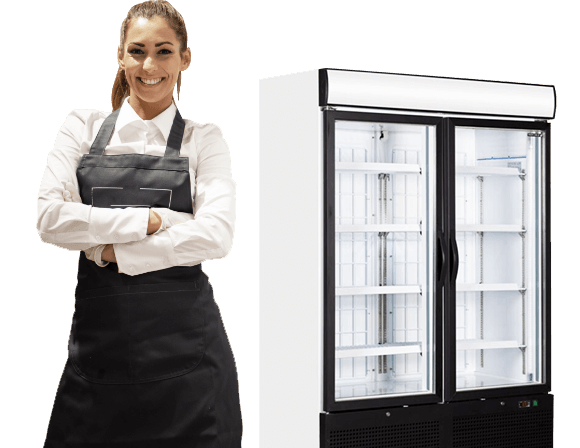




For any business operating in the food industry from restaurants and cafes to supermarkets and catering services commercial refrigeration is a cornerstone of both food safety and regulatory compliance. In the UK, stringent laws and guidelines exist to protect consumers and ensure that food is stored safely at the correct temperatures, preventing contamination and spoilage. Commercial fridges are therefore not just appliances but critical tools in upholding public health and maintaining your business’s reputation.
1. Why Food Safety Matters in Commercial Refrigeration
Food safety is paramount because improper storage of perishable products can lead to the growth of harmful bacteria, which in turn causes foodborne illnesses. According to the UK Food Standards Agency (FSA), food poisoning affects thousands of people annually, and a large portion of these cases stem from food being stored at unsafe temperatures.
Commercial fridges help prevent such risks by providing controlled environments where temperature and humidity are carefully regulated. This slows bacterial growth, preserves freshness, and extends shelf life, which is essential for businesses that want to deliver quality products to their customers while minimizing waste.
2. Legal Requirements for Commercial Refrigeration in the UK
UK food safety laws, including the Food Safety Act 1990 and the Food Hygiene (England) Regulations 2013, mandate that food businesses must store perishable goods at temperatures that prevent harmful microbial growth. Typically, chilled foods should be kept at or below 5°C, while frozen goods must remain at -18°C or lower.
Failure to comply with these regulations can lead to severe penalties such as fines, closure orders, and damage to a business’s reputation. Local authorities conduct regular inspections to ensure compliance, and commercial refrigeration units are scrutinized as part of these checks.
3. How Commercial Fridges Support Compliance
Consistent Temperature Control
Commercial fridges use advanced thermostats and temperature sensors to maintain precise, stable temperatures required for different food products. This consistency is key to preventing temperature fluctuations that can cause spoilage or bacterial growth.
Alarm and Monitoring Systems
Modern commercial fridges often feature built-in alarms that notify staff if temperatures deviate from safe ranges. Some models integrate with remote monitoring systems, allowing managers to track fridge conditions in real time and take immediate corrective actions.
Easy-to-Clean Surfaces
Compliance also involves maintaining hygienic conditions inside the fridge. Commercial units typically have stainless steel interiors and removable shelves to facilitate regular cleaning and sanitization, reducing the risk of cross-contamination.
Proper Airflow Design
Good airflow ensures that cold air circulates evenly, avoiding “hot spots” where food can spoil. Commercial fridges are designed to distribute air efficiently to all corners and shelves.
Also, read more about the Energy Ratings Commercial Fridge un Uk
- Best Practices to Ensure Food Safety with Commercial Fridges
- Regular Temperature Checks: Use certified thermometers to log fridge temperatures daily.
- Routine Cleaning: Schedule thorough cleaning to remove spills, food debris, and bacteria buildup.
- Proper Loading: Avoid overcrowding and arrange food items to allow free air circulation.
- Quick Repairs: Address any fridge malfunctions promptly to maintain optimal performance.
- Staff Training: Educate employees on correct fridge use, temperature monitoring, and hygiene standards.
5. Choosing the Right Commercial Fridge for Food Safety
Not all fridges are created equal when it comes to food safety. When selecting a commercial fridge for your business in the UK, consider these factors:
- Size and Capacity: Match the fridge size to your storage needs to avoid overcrowding.
- Energy Efficiency: Energy-efficient fridges maintain stable temperatures while reducing operating costs.
- Compliance Certifications: Look for fridges that comply with UK and EU safety and hygiene standards.
- Temperature Range: Ensure the fridge offers precise temperature control suitable for your products.
- Warranty and Support: Choose suppliers offering good warranties and after-sales support to handle maintenance and repairs quickly.
6. The Consequences of Poor Refrigeration
Poor refrigeration can have dire consequences. Food stored at unsafe temperatures can spoil quickly or harbor dangerous bacteria such as Salmonella, Listeria, and E. coli. This can lead to food poisoning outbreaks, costly product recalls, and even legal action.
Furthermore, inadequate refrigeration wastes resources and money through food spoilage, increased energy consumption from inefficient equipment, and potential business shutdowns due to health violations.
7. How Technology Is Enhancing Commercial Refrigeration Compliance
The UK commercial refrigeration market is evolving with technological advances that enhance food safety and compliance:
- Smart Fridges: Equipped with IoT sensors and cloud-based monitoring, these fridges provide real-time data and alerts, enabling proactive management.
- Energy Management Systems: These optimize energy use while ensuring food safety standards are met.
- Antimicrobial Surfaces: Some fridges now feature antimicrobial coatings that inhibit bacteria growth on internal surfaces.
- Improved Insulation Materials: New insulating technologies reduce temperature fluctuations and energy consumption.
Conclusion
Commercial fridges are indispensable in maintaining food safety and regulatory compliance for UK food businesses. By choosing the right equipment, implementing best practices, and leveraging new technologies, businesses can protect their customers, reduce waste, and avoid costly legal issues.
Investing in high-quality, reliable commercial refrigeration is not just a legal obligation, it’s a fundamental part of your business’s success and reputation in the competitive UK food market.